

Flat feet — support that actually works

Not all flat feet need treatment. But when flat feet cause pain, the solution isn't just "more arch support" — it's addressing the excessive pronation forces that are straining your tissues. Interpod is engineered to do exactly that.

🎓 8 independent university studies

🔬 All Interpod devices significantly raise navicular height (p<0.0001)

📊 Rearfoot Wedge inverts the calcaneus at all arch heights

Does this sound like you?

Recognise any of these symptoms?

  • Low or absent arch when standing — feet look "rolled in"

  • Aching in the arch, heel, or ankle after walking or standing

  • Shoes wear unevenly — particularly on the inside edge

  • Tired, heavy legs after moderate activity

  • Knee, hip, or lower back pain that seems connected to your feet

  • Difficulty finding shoes that feel supportive enough
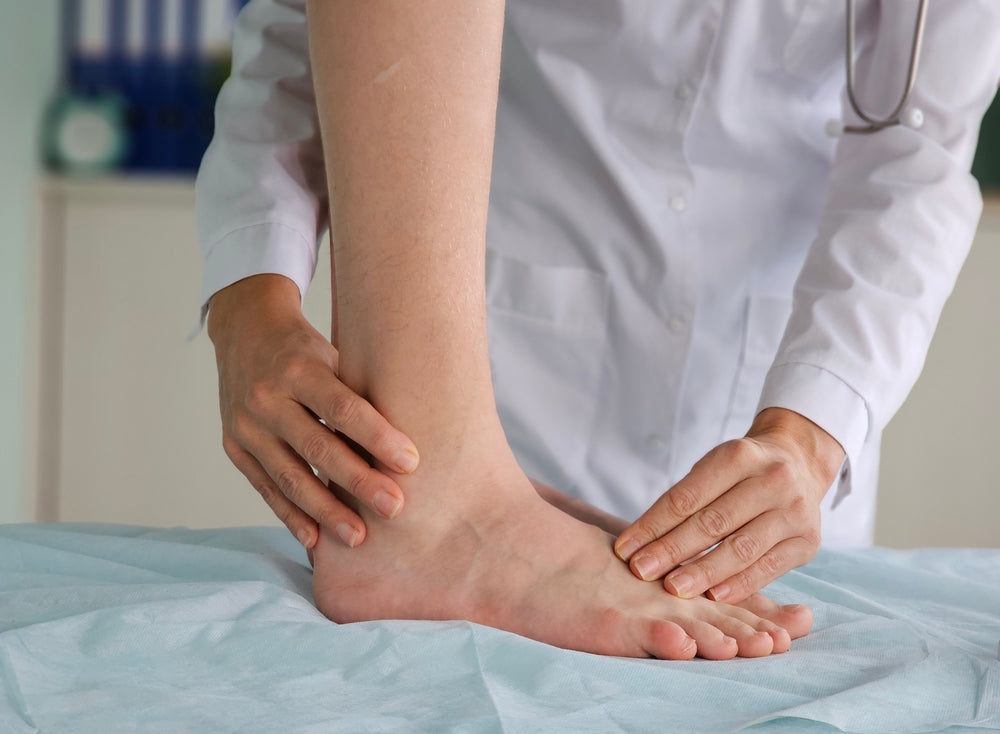
Having flat feet doesn't automatically mean you need treatment. Many people with flat feet have no symptoms at all. But if flat feet are causing pain — in your feet, legs, knees, or back — biomechanical support can make a significant difference.

Person with flat feet receiving a consult from a podiatrist.

Understanding Your Pain

Why do flat feet cause pain?

Flat feet — also called pes planus or fallen arches — describes a foot posture where the medial longitudinal arch is lower than typical. The calcaneus (heel bone) tilts inward (everts), the midfoot collapses medially, and the forefoot may splay outward.

The issue isn't the shape — it's the forces. A flat foot pronates more, and for longer, during each step. This increases the strain on the plantar fascia, the posterior tibial tendon, the Achilles, and the joints of the midfoot. Over time, these tissues become overloaded — leading to pain in the arch, heel, ankle, knee, hip, or lower back.

The position of the subtalar joint axis determines how much pronation force the foot generates. A more medially positioned axis — common in flat feet — creates greater pronatory force and greater tissue stress. This is why two people with identical foot shapes can have very different levels of pain: it's the force, not the appearance.

This is also why "more arch support" isn't always the answer. Pushing the arch up with a high, rigid insole can be uncomfortable and counterproductive if the support level doesn't match the foot's actual force requirements. The goal is the minimum effective level of support — enough to reduce tissue stress, but not so much that it creates new problems.

The Interpod approach to flat feet

Rather than forcing the arch into a "corrected" position, Interpod orthotics resist the excessive pronation forces and assist supination using four biomechanical design features. The three-arch-height system (Low, Moderate, High) ensures the support level matches your individual need — not a one-size-fits-all approach.

Your Treatment Plan

Your path to healing — step by step

Jump in at the stage that matches where you are right now.

1

Assessment — Do you actually need treatment?

Not all flat feet need intervention

Many people with flat feet live their entire lives without pain or problems. Treatment is only needed when flat feet are causing symptoms. If you have flat feet but no pain, no fatigue, and no problems with activity — you may not need to do anything.
  • Pain-free flat feet - generally no treatment required. Monitor for changes, especially if you increase activity levels.

  • Flat feet with occasional aches - supportive footwear and basic strengthening exercises may be enough. See Step 2.

  • Flat feet causing regular pain - biomechanical support is indicated. See Steps 3 and 4.

  • Children with flat feet - most children's flat feet are normal and resolve naturally. Consult a podiatrist if pain is present or if the condition persists beyond age 7-8.

2

Early stage — Supportive footwear and strengthening

Build a foundation

If your flat feet are causing mild symptoms — tired legs, aching arches after long walks, sore feet by end of day — start here.

  • Wear structured, supportive shoes - shoes with a firm heel counter, some arch support, and a stable midsole. Avoid completely flat shoes, thongs, and unsupportive footwear.

  • Strengthen intrinsic foot muscles - toe curls, towel scrunches, toe yoga, and single-leg balance exercises. These small muscles help support the arch from within.

  • Calf stretches - tight calves limit ankle dorsiflexion, which forces the foot to compensate by pronating more. Stretch daily, 30 seconds each side.

  • Heel raises - strengthen the posterior tibial tendon and calf complex. Start with both feet, progress to single leg. 3 sets of 12, every other day.

  • Avoid going barefoot on hard surfaces - particularly if your feet ache after standing.

3

Active treatment — Why generic insoles aren't enough

The arch support myth

Most people with flat feet buy a generic arch support from the pharmacy. These provide a passive wedge under the arch — which can feel supportive initially — but they don't address the pronation forces that are causing the tissue overload. The foot simply pronates over the top of the insole.
  • Why generic insoles fail for flat feet - They only have arch support — one feature. Without a rearfoot wedge to resist pronation, the foot rolls inward regardless of how high the arch is.

  • Why "higher arch = more support" is wrong - The correct level of support depends on the pronation force your foot generates — not how flat your foot looks. A foot with a laterally positioned subtalar joint axis may only need Low arch support, even if the foot appears very flat.

  • See a physiotherapist or podiatrist - a professional assessment can identify contributing factors like tight calves, weak posterior tibial tendon, or hip weakness that may be worsening your flat foot symptoms.

4

The long-term solution — Biomechanical correction

Address the forces, not just the shape

The Model P doesn't try to push your flat foot into a "normal" position. Instead, it resists the excessive pronation forces and assists supination using four design features — reducing the tissue stress that causes pain while maintaining comfort and compliance.
  • Rearfoot Wedge - inverts the calcaneus and resists the excessive pronation forces that characterise symptomatic flat feet. Proven more effective than competing orthotics.

  • Plantar Fascial Groove - reduces windlass mechanism resistance, helping the foot raise its own arch more efficiently during push-off.

  • 1st Cutaway - allows natural first ray function. Critical for flat feet, where the first ray is often blocked by excessive arch height in generic insoles.

  • Cuboid Notch - assists supination during push-off, stabilising the lateral column.

The goal isn't to "fix" your flat feet — it's to reduce the forces that cause pain.Interpod provides the minimum effective level of support for your individual foot, maintaining comfort and shoe fit while reducing tissue stress. Three arch heights ensure you get the right level — not too much, not too little.

5

Ongoing — Maintain and prevent symptoms

Long-term management

Flat feet don't change — but the symptoms can be managed indefinitely with the right support and maintenance.
  • Wear the Model P daily - the biomechanical forces are present every day, not just when pain is present. Consistent use prevents symptom recurrence.

  • Maintain foot and calf strength - continue heel raises and intrinsic foot exercises 2–3 times per week.

  • Choose supportive footwear - the orthotic works best in shoes with a firm heel counter and reasonable structure.

  • Consider a second pair - many customers buy a second Model P for work shoes or sport shoes.

Why Interpod Works

Four design features that resist pronation and assist supination

Generic insoles only have arch support. Interpod has four biomechanical design features — the same features found in custom orthotics costing $500+.

  • Plantar Fascial Groove ★

    A groove engineered into the orthotic to accommodate the plantar fascia. Reduces the force needed to establish the windlass mechanism — the foot's natural arch-raising system. Directly reduces the strain that causes plantar fasciitis.

    Assits supination
  • Rearfoot Wedge ★

    Resists the excessive pronation forces that over-flatten the arch and overload the plantar fascia. By inverting the calcaneus, it reduces the strain transmitted to the fascia during loading.

    Resists pronation
  • 1st Cutaway

    Allows the first metatarsal to plantarflex naturally during push-off, enabling the windlass mechanism to function properly without interference from the orthotic.

    Assits supination
  • Cuboid Notch

    Assists supination during the transition from midstance to push-off, stabilising the lateral column. Typically only found in custom-made orthotics.

    Resists pronation

Common Questions

Flat Feet FAQs

Do flat feet always need orthotics?

No. Many people with flat feet have no symptoms and don't need any treatment. Orthotics are only indicated when flat feet are causing pain — in the feet, ankles, knees, hips, or lower back. If you have flat feet without symptoms, supportive footwear and regular foot strengthening exercises are generally sufficient.

Should I choose the highest arch for my flat feet?

This is a common mistake. The correct arch height depends on your foot's pronation force — not how flat your foot looks. Many people with flat feet do well with Low or Moderate arch support. A High arch can be uncomfortable and counterproductive if it exceeds what your foot actually needs. The Modular System ($119) lets you trial all three and find the minimum effective level — the same approach podiatrists use.

Will orthotics "fix" my flat feet?

Orthotics don't change the structure of your foot. What they do is reduce the excessive pronation forces that cause pain. Think of them as managing the forces, not reshaping the foot. For most people with symptomatic flat feet, this means significant or complete pain relief — but the orthotics need to be worn consistently.

Why don't generic arch supports work for me?

Generic arch supports only provide arch height — a single feature. Without a rearfoot wedge to resist pronation forces, the foot simply rolls over the top of the insole. Interpod orthotics include four biomechanical design features (rearfoot wedge, cuboid notch, 1st cutaway, plantar fascial groove) that work together to control pronation and assist supination — the same features found in $400+ custom orthotics.

Can children use Interpod orthotics for flat feet?

Most children's flat feet are a normal part of development and resolve naturally. If your child has persistent flat feet beyond age 7-8 with associated pain, consult a podiatrist. Interpod offers a paediatric range designed for children's feet — ask your practitioner about the Interpod Kids range.

Do I need custom orthotics for flat feet?

Research from La Trobe University found no difference in comfort or fit between Interpod prefabricated orthotics and custom-made devices. Interpod includes the same four design features as custom orthotics at $85–$119 vs $200–$1,000+. For most people with flat feet, the Modular System provides an effective, affordable alternative to custom devices.

What if the orthotics don't help?

You're covered by our 90-day full refund guarantee. If the Modular System doesn't resolve your symptoms, return it for a full refund. If pain persists, we recommend consulting a podiatrist — you can also contact us at help@interpod-orthotics.com.

Related Conditions

Interpod also treats

Start your path to lasting relief today

Australians have discovered that the right support can make everyday movement easier. Find the Interpod orthotic that suits your needs.

Try risk-free — 90-day full refund guarantee.