

Heel spurs — your path to lasting relief

Been told you have a heel spur? Here's the reassuring part: the spur itself is rarely the source of your pain. We'll show you what is — and the force-reducing approach that resolves it, backed by university research and 25 years of podiatry science.

🎓 8 independent university studies

🔬 Plantar Fascial Groove proven effective at p<0.001

📊 Spurs rarely need surgical removal

Does this sound like you?

Recognise any of these symptoms?

  • Sharp, stabbing pain under the heel first thing in the morning

  • Pain returns after sitting or resting, then eases with walking

  • Tender to touch on the inside of the heel

  • Pain that's worse after exercise — not during it

  • Stiffness and aching in the arch of the foot

  • Pain that's been coming and going for weeks or months
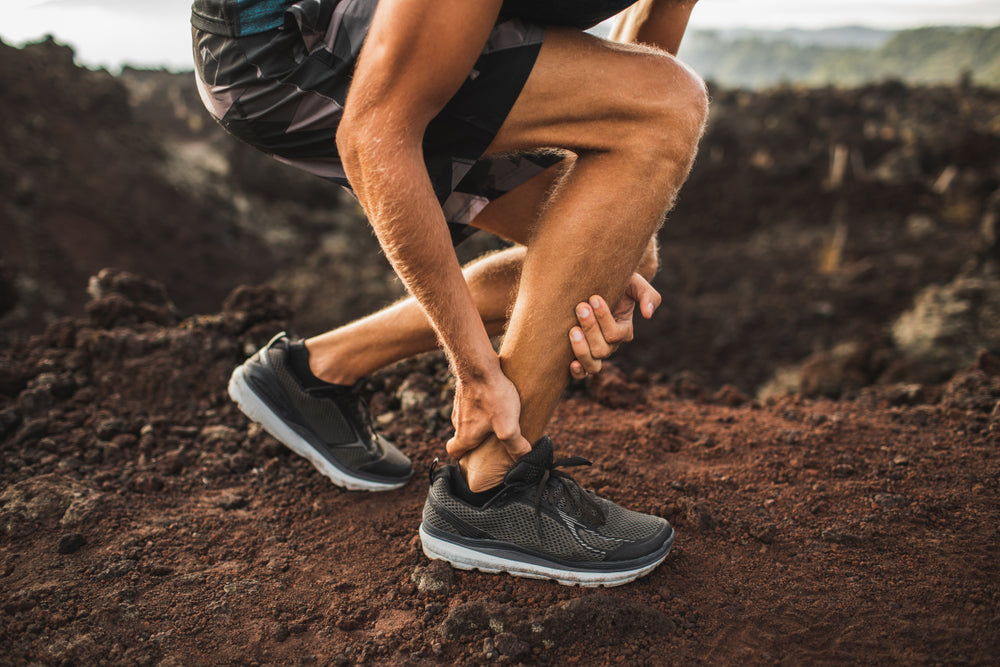
If you recognise two or more of these, your heel-spur pain is almost certainly coming from the plantar fascia — not the spur itself. The good news: that's one of the most treatable causes of heel pain — and you're in the right place.

Man in pain with heel spurs in running shoes on a dirt path

Understanding Your Pain

Is the heel spur really the problem?

A heel spur is a small calcium deposit on the heel bone, where the plantar fascia attaches. It builds up slowly in response to years of traction on that attachment. Here's the part most people aren't told: the spur itself is usually painless — about 1 in 10 people have one, but only 1 in 20 of those feel anything. The spur is a consequence of fascia stress, not the cause of your pain.

So what does hurt? The plantar fascia — a thick band of tissue from your heel bone to your toes that supports your arch and drives the windlass mechanism at push-off. When pronation forces overstretch it with every step, it develops micro-tears and inflammation at the attachment point on the heel bone. That's the pain you feel — spur or no spur.

Why does it hurt most in the morning? During sleep, your foot relaxes into a pointed-down position. The fascia shortens and contracts overnight. Inflammatory fluid pools around the damaged tissue. When you take your first steps, the sudden stretching of the contracted, swollen fascia causes that sharp, stabbing pain. As you walk, blood flow increases, the fascia warms, the inflammation disperses — and the pain eases. Until you rest again.

This cycle of damage → inflammation → rest → re-injury is what makes this heel pain so persistent. Breaking the cycle requires both managing the inflammation AND addressing the biomechanical forces that caused it.

What orthotics can — and can't — do

Orthotics can't remove a heel spur; it's a structural change in the bone. What they can do is reduce the traction forces on the fascia that are actually causing your pain — which is why your symptoms can resolve while the spur stays exactly where it is. Surgery to remove a spur is rarely needed once the underlying fascia overload is addressed.

Your Treatment Plan

Your path to healing — step by step

Jump in at the stage that matches where you are right now.

1

Right now — Reduce the inflammation

Immediate pain relief

Your first priority is to reduce the inflammatory fluid that's causing the acute pain. These measures won't fix the underlying problem, but they'll give your fascia a chance to begin healing.
  • Rest — reduce weight-bearing activity where possible. Avoid running and high-impact exercise temporarily.

  • Ice — roll a frozen water bottle under your arch for 15–20 minutes, 3–4 times daily. Especially effective after any activity.

  • Anti-inflammatory medication — NSAIDs (ibuprofen or naproxen) or topical anti-inflammatory cream. Consult your pharmacist for advice.

  • Massage ball — roll a tennis ball or massage ball under the arch to improve blood flow, loosen the fascia, and break up adhesions.

  • Avoid going barefoot — especially on hard floors. Even around the house, wear supportive footwear or slippers with arch support.

2

This week — Support and protect

Create the right environment for healing

While managing the inflammation, you need to reduce the ongoing mechanical stress on the fascia. Footwear and stretching are your two most important tools at this stage.
  • Wear structured, supportive shoes — lace-up shoes with a firm heel counter and some arch support. Avoid flat shoes, thongs, ballet flats, and worn-out footwear.

  • Stretch daily — calf stretches (lean against a wall, straight back leg, heel on the ground, hold 30 seconds each side) and plantar fascia stretches (cross affected foot over opposite knee, pull toes back toward shin, hold 10 seconds, repeat 10 times). Do these before your first steps in the morning and after any period of sitting.

  • Night splint — keeps the fascia gently stretched while you sleep, reducing the overnight shortening that causes morning pain. Uncomfortable at first but highly effective.

  • Soft heel cup — provides immediate cushioning at the pain site. A short-term measure to reduce heel impact while the fascia heals.

3

Weeks 2–6 — Active rehabilitation

Strengthen and rebuild

Once the acute inflammation settles, active rehabilitation strengthens the tissues and improves the foot's capacity to handle load. This is also where a cushioning insole can help protect the healing fascia during daily activity.
  • Physiotherapy — if pain persists beyond 2 weeks, a physiotherapist can provide manual therapy, assess your gait, and design a targeted strengthening programme.

  • Progressive loading — heel raises (start with both feet, progress to single leg) strengthen the calf-Achilles-fascia complex. Start with 3 sets of 12, every other day.

  • Intrinsic foot exercises — toe curls, toe yoga (alternating big toe and little toes), and towel scrunches to strengthen the small muscles that support the arch.

  • Continue stretching — maintain the daily calf and fascia stretching programme from Step 2.

4

The long-term solution — Address the cause

Biomechanical support with the Model P

Steps 1–3 treat the symptoms and help the fascia heal. But if the biomechanical forces that drove the overload aren't addressed, the cycle can repeat. This is where the Model P comes in — it reduces those forces, not just the symptoms.
  • Rearfoot Wedge — resists the excessive pronation forces that over-flatten the arch and over-stretch the plantar fascia during loading.

  • Plantar Fascial Groove — reduces the force needed to activate the windlass mechanism, allowing the foot to support its own arch more efficiently. Proven at p<0.001.

  • 1st Ray Cutaway — allows the big toe joint to function naturally during push-off, enabling the windlass mechanism without interference.

  • Cuboid Notch — assists supination during the transition to push-off, stabilising the lateral column.

If you don't address why it happened, it can happen again. The Model P reduces the over-flattening of the arch and the strain on the plantar fascia — the same biomechanical support found in $400+ custom orthotics, at a fraction of the cost.

5

Ongoing — Maintain your progress

Stay pain-free

Once your heel pain has resolved, the Model P keeps reducing the biomechanical stress that contributed to it in the first place.
  • Continue wearing the Model P daily — the biomechanical forces don't change just because the pain has resolved. The orthotic continues to protect the fascia.

  • Maintain flexibility — continue calf and fascia stretching several times per week.

  • Gradual return to full activity — increase training load progressively, not suddenly.

  • Replace top covers as needed — the Model P comes with replaceable self-adhesive top covers. The orthotic itself is covered by a 5-year warranty.

Why Interpod Works

Four design features that resist pronation and assist supination

Generic insoles only have arch support. Interpod has four biomechanical design features — the same features found in custom orthotics costing $500+.

  • Plantar Fascial Groove ★

    A groove engineered into the orthotic to accommodate the plantar fascia. Reduces the force needed to establish the windlass mechanism — the foot's natural arch-raising system. Directly reduces the strain that drives heel-spur pain.

    Assits supination
  • Rearfoot Wedge ★

    Resists the excessive pronation forces that over-flatten the arch and overload the plantar fascia. By inverting the calcaneus, it reduces the strain transmitted to the fascia during loading.

    Resists pronation
  • 1st Ray Cutaway

    Allows the first metatarsal to plantarflex naturally during push-off, enabling the windlass mechanism to function properly without interference from the orthotic.

    Assits supination
  • Cuboid Notch

    Assists supination during the transition from midstance to push-off, stabilising the lateral column. Typically only found in custom-made orthotics.

    Resists pronation

University Research

Proven results — not marketing claims

  • p<0.001

    Plantar fascial groove significantly reduced windlass mechanism force at all angles tested.

    La Trobe University

  • = Custom

    No difference in comfort or fit vs custom-made orthoses. Zero Interpod devices needed adjusting.

    La Trobe University


  • 90%

    Of heel-pain cases resolve with conservative treatment including orthotics, stretching, and load management.

    Clinical Literature

Common Questions

Heel Spurs FAQs

Can orthotics remove a heel spur?

No — a heel spur is a structural change in the bone, and no orthotic, exercise or insole can dissolve it. But that isn't the goal: the spur usually isn't what hurts. Orthotics reduce the pronation forces and fascia traction that actually cause your pain — which is why symptoms typically resolve while the spur stays in place. Interpod includes four specific design features (including a Plantar Fascial Groove proven to improve the windlass mechanism at p<0.001) that target those forces, not just the symptoms.

Should I get custom orthotics for heel spurs?

Research from La Trobe University found no difference in comfort or fit between Interpod prefabricated orthotics and custom-made devices. Interpod includes the same four biomechanical design features found in custom orthotics at a fraction of the cost ($85–$125 vs $200–$1,000+). Start with the Model P+ to find your ideal support level before committing.

Which support level is best for heel-spur pain?

The ideal support level depends on your individual foot biomechanics — specifically, the position of your subtalar joint axis — not the severity of your pain. Severe heel pain doesn't necessarily mean you need more support — someone with significant pain may only need Low if their foot has a laterally positioned axis. The Model P+ ($125) lets you trial all three support levels to find the one that resolves your discomfort — the same clinical approach podiatrists use.

Why does my heel hurt most in the morning?

During sleep, your foot relaxes into a pointed-down position, which shortens the plantar fascia. Inflammatory fluid pools around the damaged tissue overnight. When you stand, the sudden stretching of the contracted, swollen fascia causes that sharp stabbing pain. As you walk, blood flow increases, the fascia warms and loosens, and the inflammation disperses — which is why the pain eases with movement.

Is my heel spur causing the pain?

Almost certainly not. 1 in 10 people have heel spurs, but only 1 in 20 with spurs experience any pain. The spur is a calcium deposit that forms in response to chronic fascia stress — it's a consequence, not a cause. Treating the fascia overload (with appropriate orthotic support and rehabilitation) resolves the pain regardless of whether a spur is present.

How long does heel-spur pain take to resolve?

Most people notice improvement within 2–6 weeks of starting a structured treatment plan (stretching, appropriate footwear, and orthotic support). Full resolution may take 3–6 months depending on severity and duration. Research shows that 90% of cases resolve with conservative treatment. The key is consistency — daily stretching, wearing your orthotics, and addressing the biomechanical cause.

Can I start using orthotics while my heel pain is still acute?

Yes. The Model P can be used during the acute phase alongside the relief measures in Step 1 (ice, rest, anti-inflammatories). However, many practitioners recommend using a softer cushioning insole like the Model C ($65) during the initial healing phase, then transitioning to the Model P for long-term biomechanical support once the acute inflammation settles.

What if the orthotics don't help?

You're covered by our 90-day full refund guarantee. If the Model P+ doesn't resolve your discomfort, return it for a full refund. If your pain persists after trialling all three support levels, we recommend consulting a podiatrist or physiotherapist — you can also contact us at help@interpod-orthotics.comfor guidance.

Related Conditions

Interpod also treats

Start your path to lasting relief today

Australians have discovered that the right support can make everyday movement easier. Find the Interpod orthotic that suits your needs.

Try risk-free — 90-day full refund guarantee.